Motion sickness can happen on an Andaman ferry. No operator, departure time or seat can guarantee a nausea-free crossing. Plan around the sailing’s actual duration, follow crew instructions and seek individual advice if you need medication.
Practical comfort measures
The NHS motion-sickness guidance suggests sitting near the middle of a boat, looking at a fixed point such as the horizon, and avoiding reading or screens. Fresh air may help where crew permit it. Avoid heavy meals and alcohol immediately before or during the trip. These measures may reduce discomfort; they do not prevent every case.
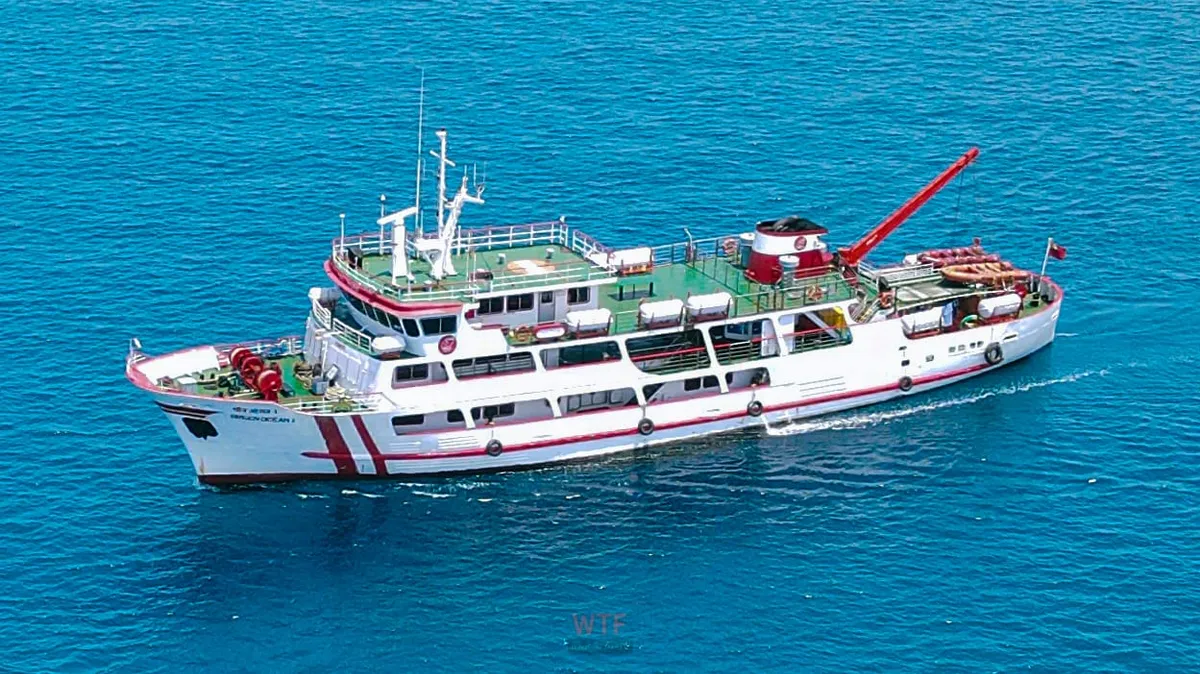
On a reserved-seat ferry, ask which available seats are near the middle of the vessel before paying. Do not move into restricted areas or onto an outdoor deck without permission. A photograph of an open deck is not a promise that it will be accessible on your sailing.
Ask a pharmacist about medication
If you have previously experienced motion sickness, consult a pharmacist or clinician before travel. Suitable treatment and timing depend on the product, your age, other medicines and health circumstances. Some treatments cause drowsiness. Ask specifically about children, pregnancy, existing conditions and any driving after the crossing; follow the product instructions and professional advice. This guide does not prescribe a medicine or dose.
Can an early sailing or a particular ferry help?
We do not have a controlled comparison of seasickness rates across Makruzz, Nautika, Green Ocean and ITT Majestic. Vessel size, speed or price alone is not enough to rank them for an individual passenger. Morning is not a guarantee of calm water: conditions depend on the day’s wind, swell and weather.
Choose a departure that fits your itinerary with time to reach the terminal without rushing. Compare the scheduled journey duration and actual vessel, and ask about seat location and accessibility. The Port Blair to Havelock route guide explains the crossing options; the ferry timetable guide distinguishes dated examples from live availability.
Seasonal conditions and disrupted sailings
Our Andaman sea-conditions guide describes historical regional wave patterns. It is not a forecast for your route or an assurance that a particular sailing will operate. Check current advisories and your operator’s messages before travelling, especially when connecting to a flight.
For an October trip, use the October ferry-planning guide alongside date-specific availability. Allow flexibility if a crossing is changed or cancelled; an extra night reduces connection pressure but cannot eliminate disruption risk.
Frequently asked questions
Can I get seasick on a short ferry crossing?
Yes. A shorter journey does not eliminate motion sickness. Plan comfort measures and seek professional advice beforehand if you are concerned.
Which Andaman ferry is best for seasickness?
We cannot substantiate a medical ranking of the operators. Check the actual vessel, seat location, journey duration and weather, and ask a clinician or pharmacist about your own needs.
Should I book an outdoor seat?
Do not assume an outdoor seat or deck is available. Confirm the vessel’s seating and follow crew restrictions. Looking towards the horizon from an appropriate permitted seat may help.
Does a higher fare class prevent motion sickness?
No fare class guarantees relief. Compare the position of the available seats rather than treating the class name as a health benefit.
Comfort guidance checked against the NHS source on 17 September 2026. Operator availability and weather must be checked for your travel date.